Have you ever wondered about the miracles in your family lineage that had to occur for you to exist today?
I’m about to tell you the unbelievable but true story that still leaves me overcome with take-my-breath-away gratitude every time I think about my paternal great-grandfather’s sacrifice—and how, in spite of all odds, it led to this woman typing out this tale on a new MacBook from the comfort of an air-conditioned house in South Florida.
The year was 1935, smack dab in the middle of the Great Depression. Orville Ray Ratliff had returned from World War I to Fords Branch, a humble holler in Pike County, Kentucky.
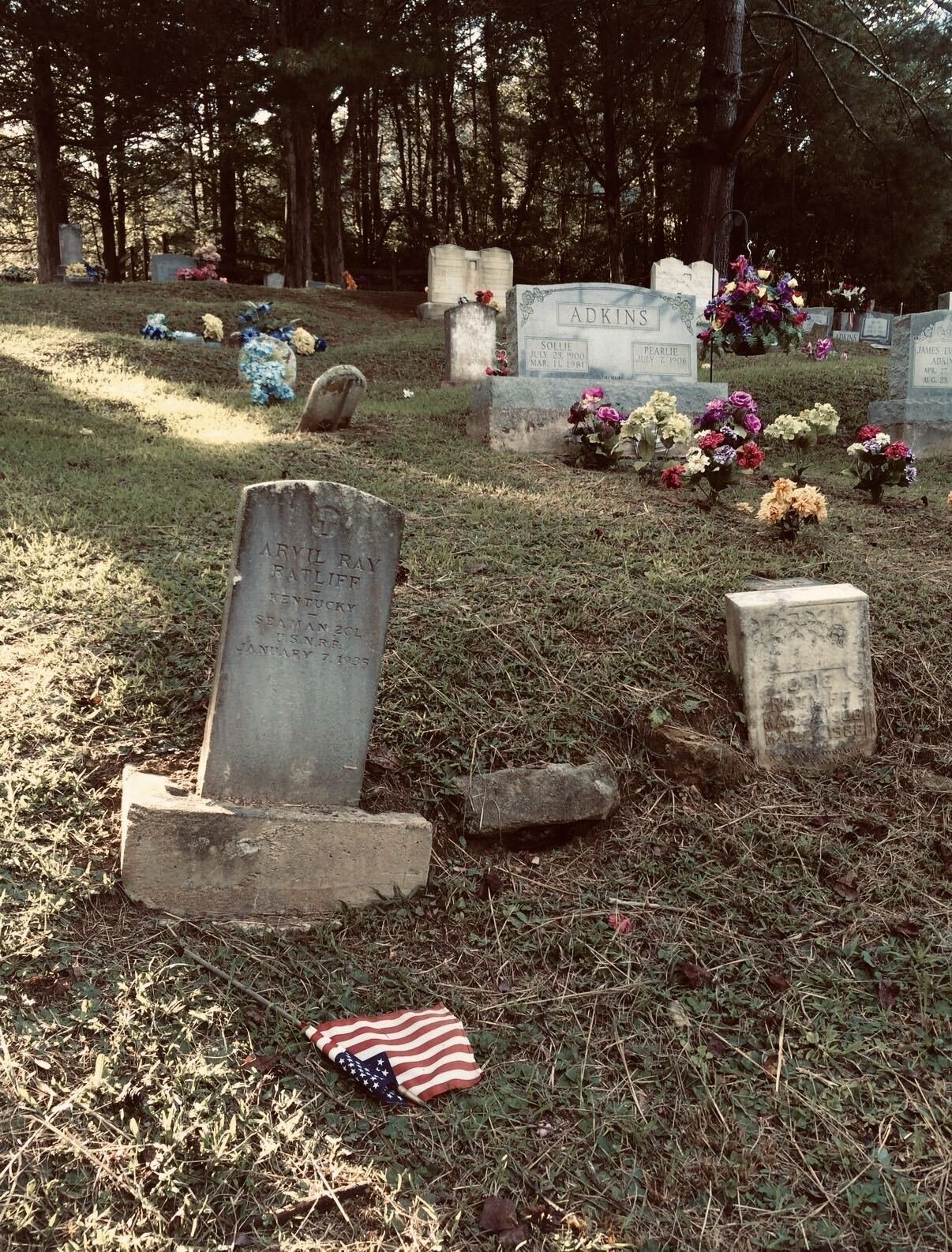
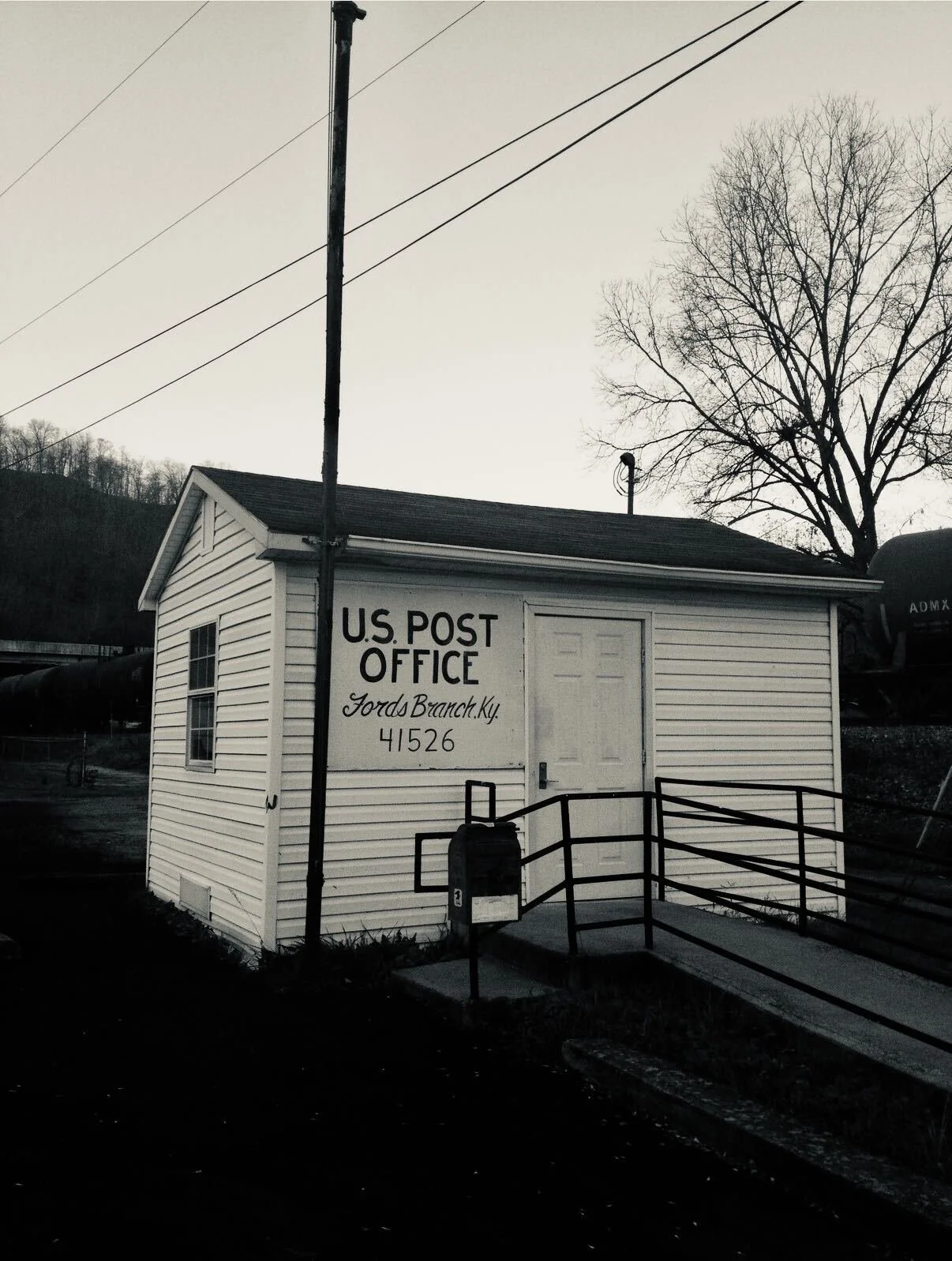
What remains today is a quaint white post office you could mistake for a movie prop, a Baptist church where photos of my kin line the walls, a train track that runs through the center of the community, and a cemetery full of tombstones on a steep hill. If memory serves, there are now more dead than living residents in Fords Branch. But it’s still worth visiting, if only to pick a pawpaw from that strange fruit tree, taste a lost treasure native to Eastern America, and wonder how these hillbillies survived with their smiles intact.
Orville raised five children with Ocie: four girls and one baby boy who would grow up to be my grandpa. Like just about every able-bodied man in Kentucky, my great-grandpa was a coal miner.
I don’t know the circumstances of how it happened, but he broke his leg, and the coal company threatened to fire him if he didn’t get back to work. With six dependents and a fledgling federal welfare system that hadn’t yet made its way to remote places like theirs, he did not have the luxury of recuperating at home.
In 1935, roughly 55 to 60 percent of Americans owned a car. The Ratliffs did not. He would have to hobble and hitch his way to work. His options were limited. There were those train tracks... He was an honest man on his way to honest work, but he hopped the train like a vagabond.
The railroad companies were closely guarded by the notorious Pinkerton agency. They operated like a violent mafia clan, often with impunity. On that day in 1935, he wasn’t a broke war veteran trying to provide for his family. He was a criminal.
The choice was to get off the train voluntarily or be thrown off. I guess he believed he didn’t really have a choice. He was a father of five during the Depression, guided by hillbilly pride. There was a chance he could survive the Pinkerton’s punishment.
Orville was thrown from the moving train to his death. His body was found in pieces—an ear here, a leg there.
Ocie, my great-grandmother, died three years later.
Her mother—the town midwife and “medicine woman”—went on to raise the five Ratliff children. The legend goes that the holler’s only church, founded in 1925, was named for her: Elizabeth Old Regular Baptist Church. I’ve never heard of such a name for a Protestant church, and I’m sure I never will again.
After my great-great-grandmother passed, my grandpa’s adoring big sisters took over the motherly duties until he was old enough to pass for eighteen and enlist in the Army.
He returned from deployment and married a stunning, petite woman from the neighboring town of Pikeville. She bore a boy and a girl. Their boy would go on to become a successful businessman, run a multimillion-dollar company, and have seven children. His eldest? You know her a little.
From poverty and tragedy to the American Dream in just two generations.
Orville and Ocie’s tombstones still lie next to each other on that steep holler hill. Their names are fading on the stone. Their sacrifice has not.